What Key Fob Programming Actually Involves — and Why It Matters
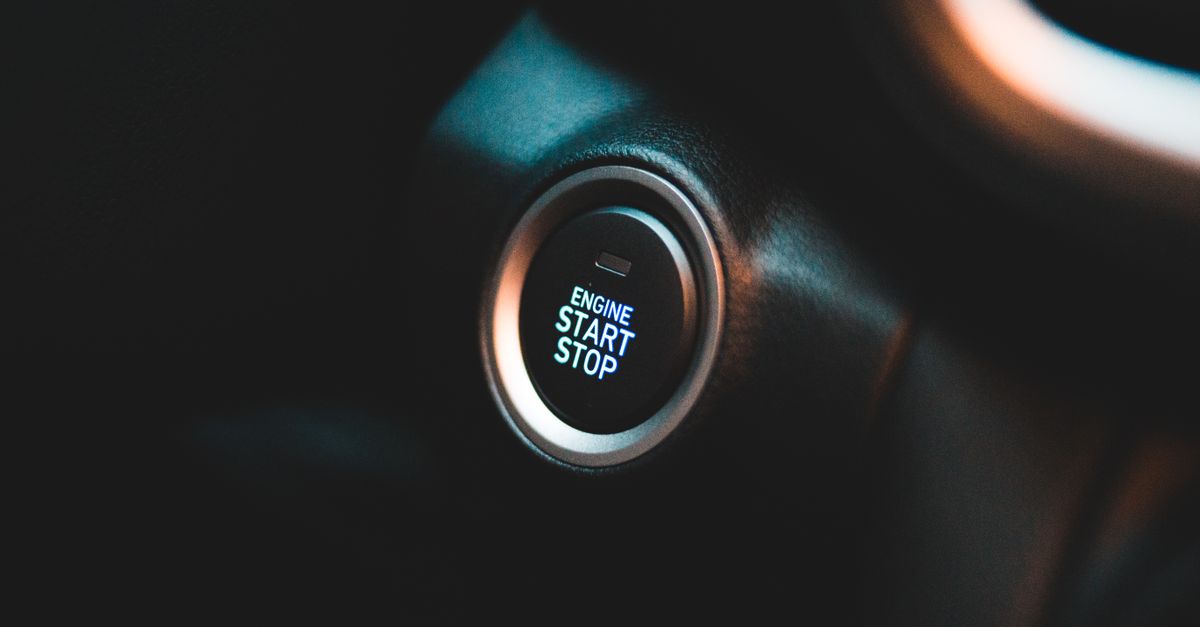
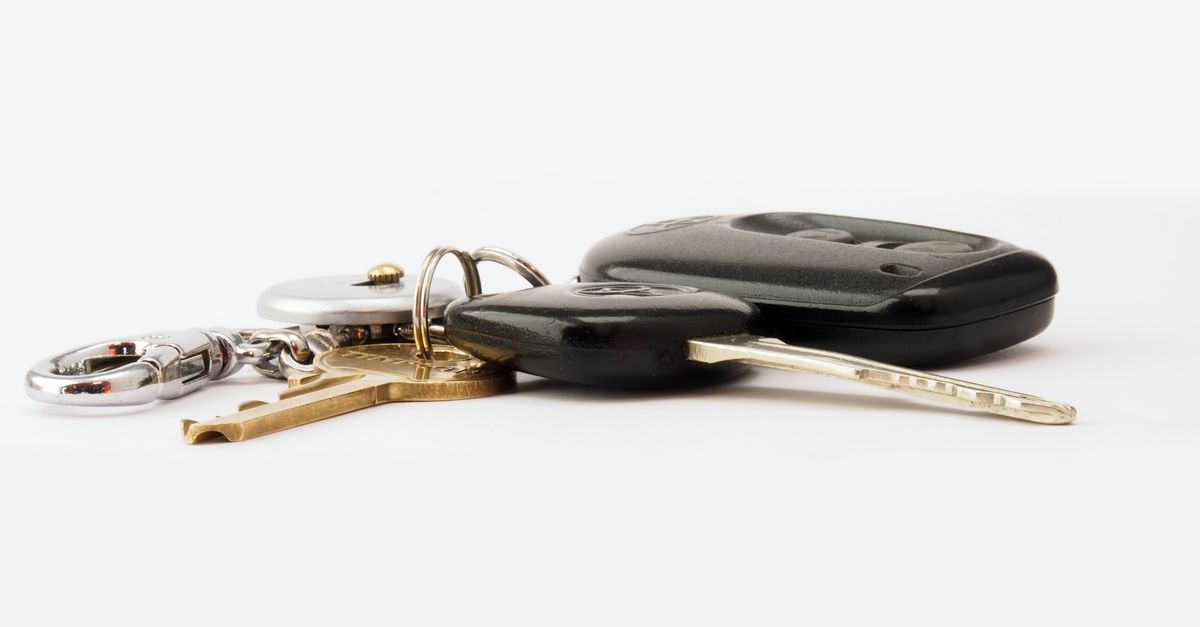
Modern vehicle keys are not simple metal cuts anymore. Virtually every car, truck, and SUV built in the last fifteen years contains at least one microchip — and many use multiple layers of encrypted communication between the fob and the vehicle's body control module (BCM) or powertrain control module (PCM). Remote keyless entry fobs transmit rolling security codes that change with every press; push-to-start proximity fobs broadcast a continuous low-frequency signal that the car's antenna ring detects before allowing the start button to function. When a fob is lost, damaged, or simply de-synced after a battery swap, that communication chain breaks. Re-establishing it requires specialized OBD-II diagnostic interfaces, manufacturer-specific software, and — in many cases — a two-key learning procedure that only works if a currently programmed key is also present. Our experienced technicians carry equipment compatible with domestic, Asian, and European makes so that whether you drive a late-model Ford F-150 with Ford's PATS system, a Toyota with a smart proximity fob, or a European luxury sedan with an encrypted immobilizer, we can complete the pairing process without damaging the vehicle's electronics.
Vehicle locksmith services we provide in this space extend well beyond simple fob replacement. We handle: lost-all-keys situations (where zero working keys remain and the vehicle must be programmed from scratch using EEPROM or OBD methods), transponder key cutting and cloning, push-to-start smart key programming, remote start module integration, flip-key and switchblade key assembly, key-fob battery replacement and shell swaps, and immobilizer resetting after a failed aftermarket programming attempt. Each of these scenarios involves a different technical path, and our team is trained to diagnose which path your vehicle requires before touching a single wire.